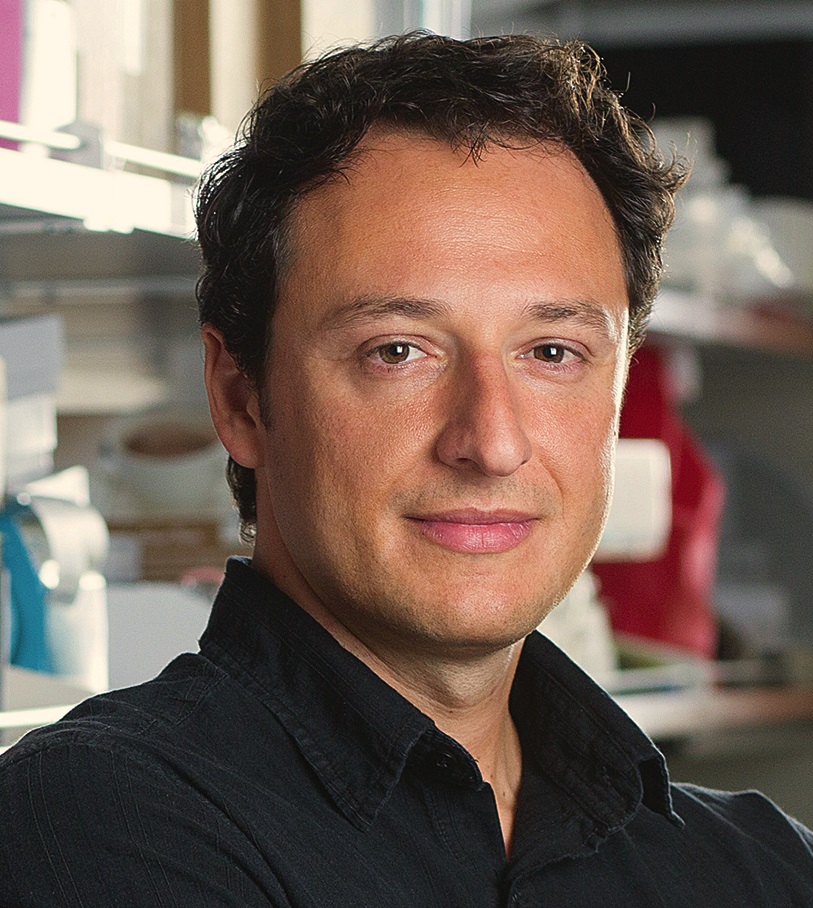
Dr. Alysson R. Muotri, Ph.D.
Professor — Pediatrics & Cellular and Molecular Medicine
UC San Diego School of Medicine · Sanford Stem Cell Institute · La Jolla, California
A researcher dedicated to rare brain diseases
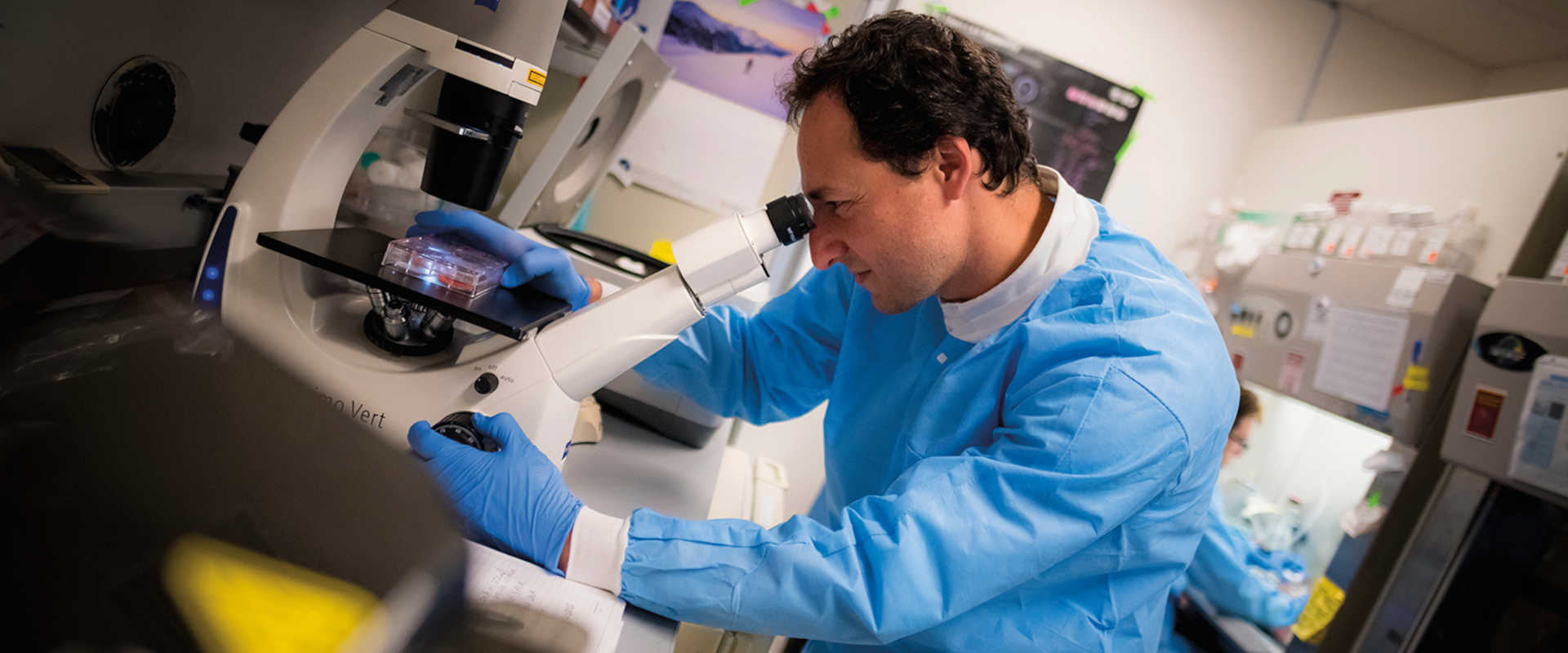
Dr. Muotri leads one of the world's most advanced laboratories in the creation of brain organoids — models of the human brain developed from patients' own cells. His mission for over fifteen years: to give hope to families affected by rare diseases for which no treatment yet exists.
"Sometimes there's just a handful of labs working on a rare disorder, if any. I like to give hope to rare disease patients, to let them know there are people who want to study their conditions, that they're not alone."
By transforming patients' skin cells into functional mini-brains in the laboratory, his team can directly study diseases that do not faithfully reproduce in animal models — and test therapeutic strategies on real human tissue.
This approach has already contributed to the first FDA-approved treatment for Rett syndrome, and led to the first gene therapy clinical trial for Pitt-Hopkins syndrome, launched in 2026. For PKS, this research remains to be built — and that is exactly what Project PKS aims to fund.
Rare diseases studied by the Muotri Lab
These concrete results — from organoid to clinical trial — illustrate the lab's ability to transform fundamental research into real hope for patients.
The lab's work on Rett organoids contributed to the development of Daybue (trofinetide) — the first FDA-approved treatment for Rett syndrome. A second clinical trial, based on antivirals tested on organoids, is currently underway.
On patient organoids, the lab demonstrated that gene therapy corrected neuronal alterations. The FDA approved the clinical trial launched by Mahzi Therapeutics in 2026 — the first gene therapy developed from organoids to enter clinical trial for a rare disease.
The lab studied on cortical organoids the neuronal dysfunctions linked to CDKL5 gene mutations, contributing to the identification of therapeutic targets for this rare syndrome associated with severe early-onset epilepsy.
Organoids created from autistic children's cells revealed that symptom severity is linked to a neuronal overproduction from the embryonic stage — overactive organoids producing too many poorly connected neurons. A discovery opening the way for early biomarkers and therapeutic targets.
In 2016, the lab provided the first direct experimental proof that the Zika virus causes microcephaly — published in Nature. The lab went further: antiviral drugs were tested directly on infected organoids and demonstrated protection against neurological damage. From causal proof to treatment testing — on the same model.
Williams syndrome is caused by a rare chromosomal deletion (7q11.23) leading to specific cognitive and neurological disorders. The Muotri Lab created a dedicated cellular model, enabling for the first time the study of the molecular and cellular bases of this chromosomal anomaly directly on human tissue.
8p syndrome is a rare chromosomal anomaly without treatment. The Muotri Lab created brain organoids from patient cells and identified specific neuronal alterations — invisible by any other means — directly on the mini-brains. A complex chromosomal anomaly, modeled, analyzed, and concrete biological leads emerging.
Organoids sent to the ISS undergo accelerated cellular aging, reproducing mechanisms previously inaccessible in the laboratory. The Muotri Lab leverages this phenomenon to model Alzheimer's and test treatments on organoids showing signs of neurodegeneration — a groundbreaking approach worldwide.
No organoid research exists yet for PKS — anywhere in the world. From Giulia's cells and two other affected children, the laboratory will create mini-brains carrying the real chromosomal anomaly. Goal: understand the biological mechanisms of PKS and test drugs and molecules likely to correct the observed alterations. This is the first step toward a treatment.
🎯 Why the Muotri Lab is particularly well-suited for PKS
Pallister-Killian syndrome is a mosaic chromosomal anomaly — only certain cells are affected. This is exactly the profile that organoids can faithfully reproduce: developed from the patient's own cells, they preserve the real anomaly and allow observation of its impact on neuronal development. No animal model can reproduce this faithfully.
The laboratory's trajectory is now established — from fundamental organoid research to real clinical trials. This is the path that Project PKS wants to open for children with Pallister-Killian syndrome.
Scientific career
-
SALK INSTITUTE · 2002–2007Postdoctoral training in Fred Gage's lab (Salk Institute, La Jolla). Two landmark publications in 2005: demonstrates that human stem cell-derived neurons functionally integrate into a chimeric brain (PNAS, 2005) — and reveals that the brain is composed of a mosaic of neuronal genomes caused by "jumping genes" (L1) (Nature, 2005), overturning a fundamental dogma of biology.
-
UC SAN DIEGO · 2008Joins the School of Medicine as professor. Becomes director of the stem cell program at the Sanford Stem Cell Institute, and director of the ISSCOR center (Integrated Space Stem Cell Orbital Research).
-
2010 — FIRST HUMAN MODEL OF NEUROLOGICAL DISEASECreates the first human model of a neurodevelopmental disorder from patient stem cells — and demonstrates for the first time that severe neuronal alterations can be reversed in the laboratory. These methods are now used by thousands of laboratories worldwide.
-
2016 — ZIKA VIRUSFirst direct experimental proof that the Zika virus causes microcephaly — published in Nature. Demonstration made on human brain organoids. The lab goes further by testing antiviral drugs directly on these organoids.
-
2019–2024 — INTERNATIONAL SPACE STATIONFirst researcher to send human brain organoids to space (SpaceX / NASA), studying their behavior in microgravity and accelerated aging mechanisms. Selected among the Top 10 Science Stories of the year by Discover Magazine (2019). Missions repeated in 2020, 2021 and 2024.
-
2020 — RETT · TWO DRUG CANDIDATESOn organoids, identifies two drug candidates that almost entirely restore the neuronal activity of Rett mini-brains. His research contributes to the development of Daybue, the first FDA-approved treatment for Rett syndrome.
-
2022 — PITT-HOPKINS · NATURE COMMUNICATIONSDemonstrates on organoids that gene therapy corrects the neuronal alterations of Pitt-Hopkins syndrome at the molecular, cellular and electrophysiological scale. Published in Nature Communications.
-
2024 — NATURE PROTOCOLSPublication of a world reference protocol for the creation of cortical organoids with complex neural oscillations — now accessible to all laboratories.
-
2026 — PITT-HOPKINS: HISTORIC CLINICAL TRIALThe FDA approves the first gene therapy clinical trial for Pitt-Hopkins syndrome, developed by Mahzi Therapeutics from the Muotri Lab's research. First organoid-developed treatment to enter clinical trial for a rare disease.
The laboratory
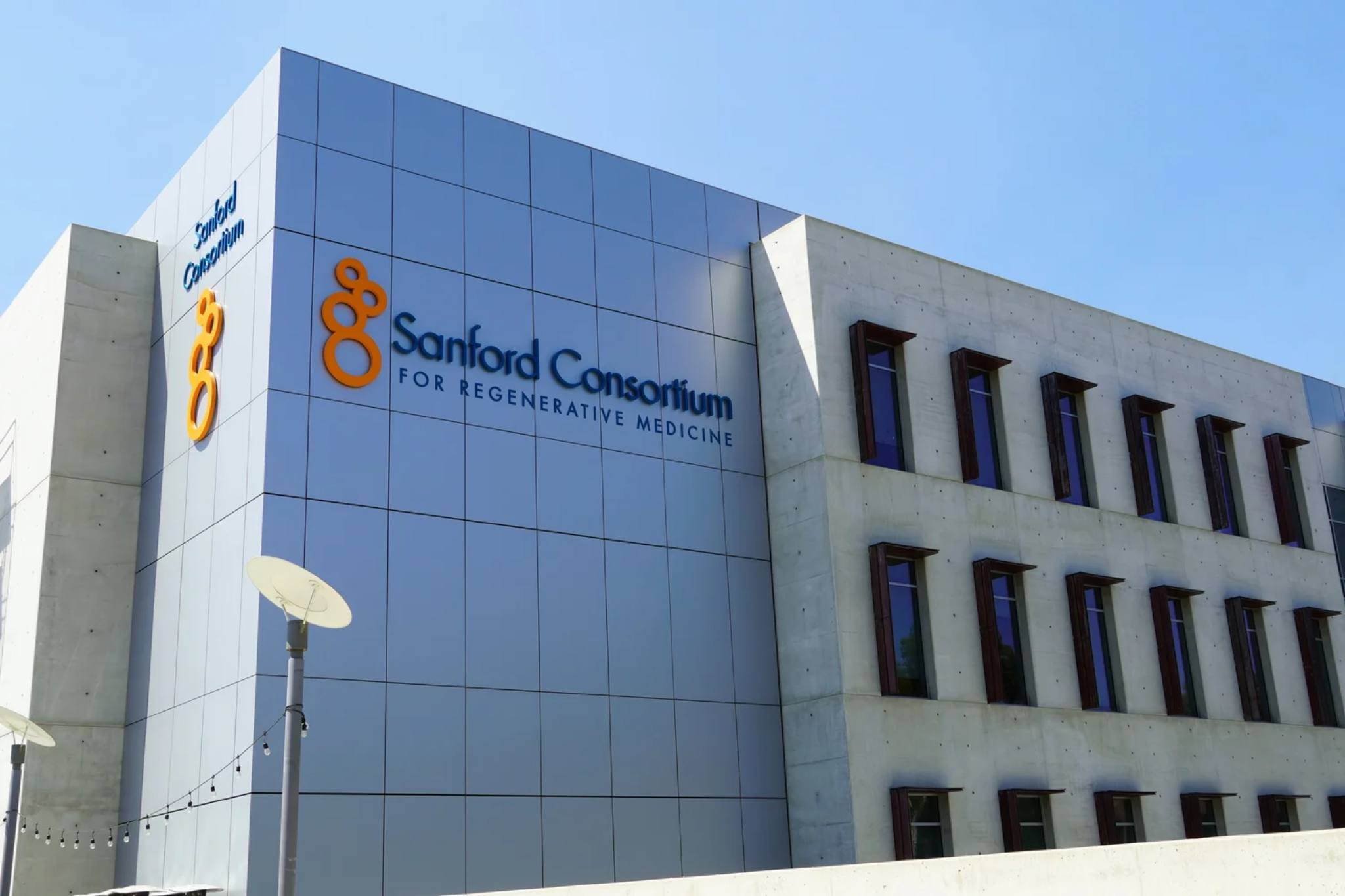
The Muotri Lab is located at the Sanford Consortium for Regenerative Medicine, in La Jolla, California — one of the most recognized biomedical research campuses in the world.
Photos: Muotri Lab / UC San Diego Health Sciences · Used with permission
🎬 Dr. Alysson Muotri and the PKS program
Dr. Muotri's work on brain organoids opens promising perspectives for the study of rare diseases, including Pallister-Killian syndrome.
Awards & recognition
Dr. Alysson Muotri is an internationally recognized neuroscientist, honored by many major institutions for his work in neuroscience and stem cell research.
PKS research can begin.
The laboratory is ready. The protocol is defined. Only the initial phase funding is missing.