A research program ready to begin. A race against time.
Searching for treatments for Pallister-Killian syndrome.
For Giulia and every child living with Pallister-Killian syndrome.
Giulia has Pallister-Killian syndrome, a rare genetic disorder with no targeted treatment available today.
Working with a specialized research team, we aim to create patient-derived brain models to study PKS and test potential therapeutic approaches.
The research plan is in place. The lab is ready.
Now we need the funding to launch the first phase of the program.
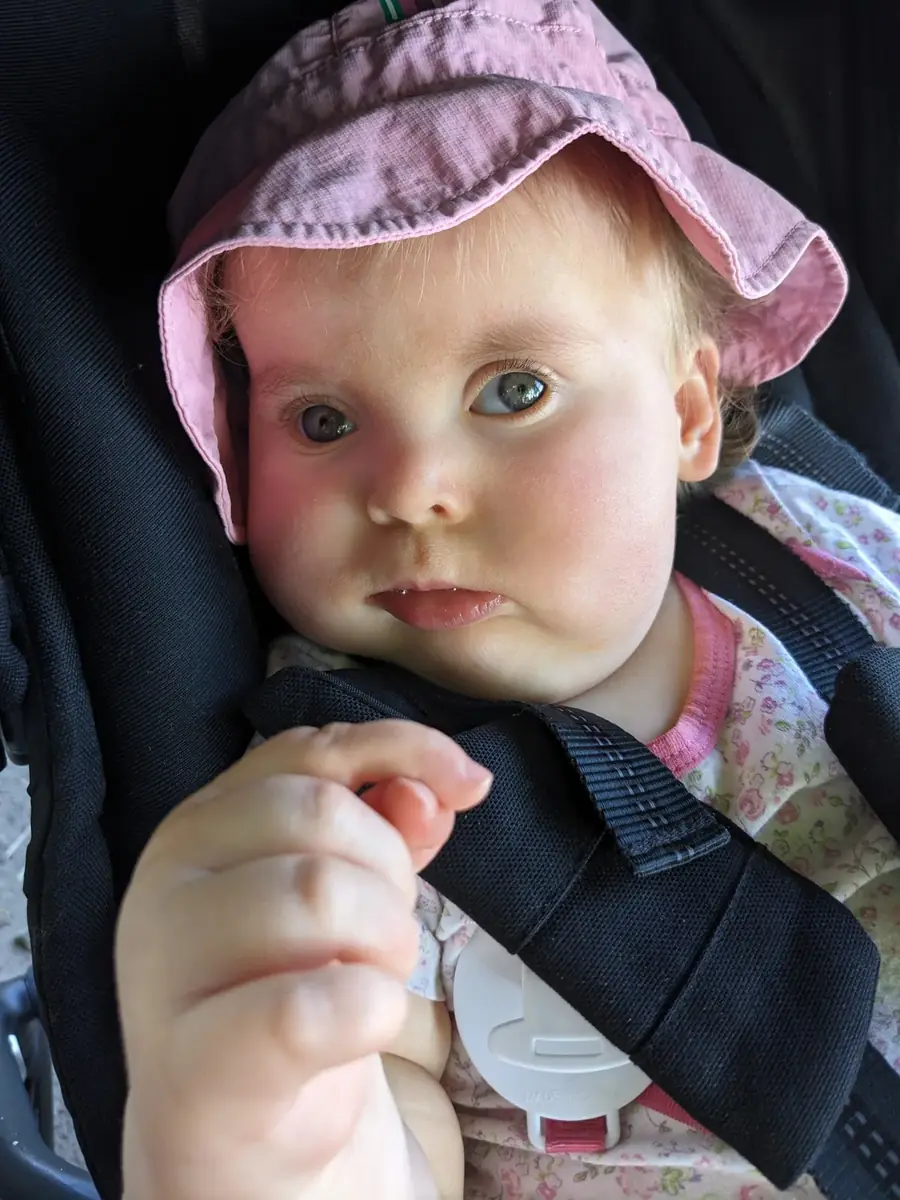
Why Project PKS exists
This project began with Giulia's story, but the research is intended to benefit every child affected by PKS.


We decided not to wait
When Giulia was diagnosed, we found that very little research focused on the biological mechanisms of Pallister-Killian syndrome, and even fewer programs were actively pursuing potential treatments.
That's when we decided to act.
Together with specialized researchers, we developed a scientific program to create the models needed to study how PKS affects developing neural cells and to test potential therapeutic strategies.
This project began with Giulia, but its findings could benefit all children and families affected by PKS.
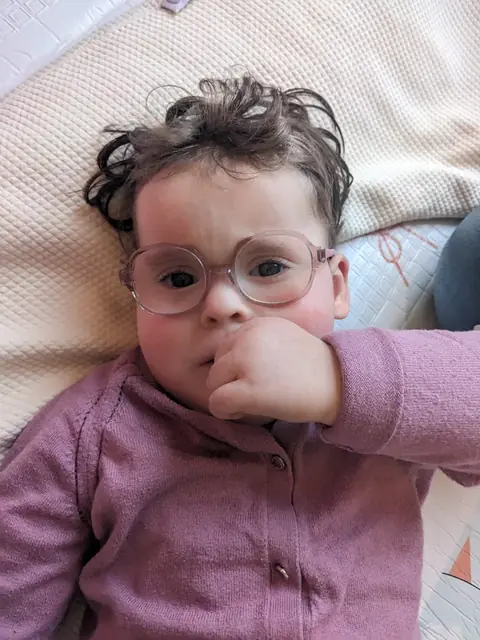
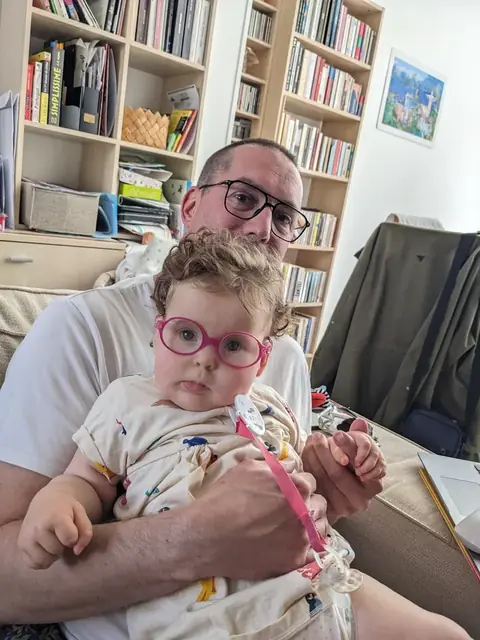
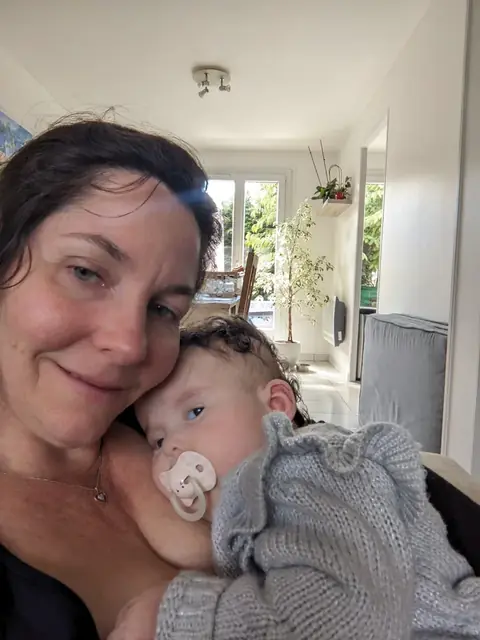
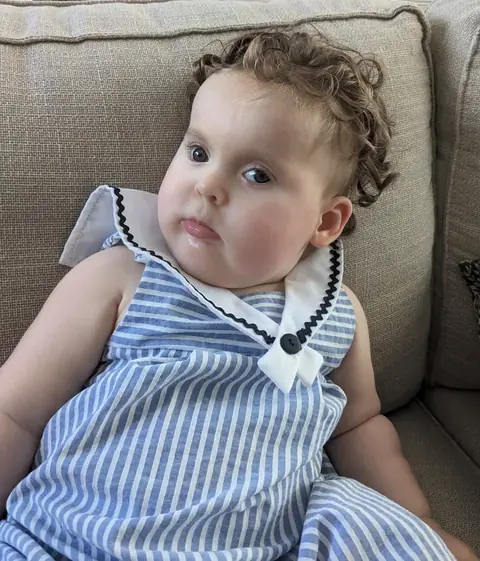
Photos of Giulia
A few images to get to know Giulia.

The first phase: understand and test
Brain organoids are small cellular models grown in the lab from patient-derived cells. They allow researchers to study certain stages of neural development and the biological effects of PKS.
Create the models
Reprogram cells from three children into stem cells, then use them to grow brain organoids.
Observe
Study how neural cells develop, organize and function.
Compare
Compare PKS models with control models to identify changes caused by the condition.
Measure
Identify measurable biological markers that can be used to assess the effects observed.
Test
Test compounds and other scientific approaches to identify the most promising candidates.
Expected outcomes
This first phase is designed to turn limited knowledge of PKS into actionable findings that can guide the search for treatments.
Identify the key biological mechanisms
Determine which biological anomalies play a major role in the effects of PKS on nerve cells.
Identify therapeutic targets and potential approaches
Identify genes, proteins or mechanisms that could potentially be targeted.
Select the most promising approaches
Compare the effects of the different strategies tested to determine which ones deserve to be pursued further.
Your donation helps launch the first phase
Public donations are one part of a broader fundraising effort that also includes companies, foundations and major donors. Every contribution helps bring the project closer to launch.
🔒 Secure payment via Stripe · Card · Apple Pay · Google Pay · SEPA subject to eligibility
Your donation supports the research program.
🤝 Support our research program
Your company can support Project PKS through a donation or a sponsorship partnership. French companies can benefit from a 60% tax reduction by donating via the Fondation Maladies Rares, subject to tax conditions.
For a major gift or a sponsorship partnership, contact us. We will send you all the information you need.
You can also help in other ways
A donation is not the only way to support Project PKS. You can:
- introduce the project to your company or a foundation;
- connect us with someone who could help;
- organize a fundraiser or community event;
- share the project with a decision-maker.
Sometimes, one introduction can make all the difference.
Who is behind the project
We believe trust should be based on information that can be verified. Scientific information, administrative details and project updates will be made available publicly.
The laboratory
The program was developed with a research team specializing in brain organoids and rare neurological disorders.
Discover the partner laboratory ›The association
Project PKS is a French nonprofit association. Its administrative information is published on the site.
View the information ›Transparency and updates
We will publish research progress, funds allocated and milestones reached as the program moves forward.
For families affected by PKS
This project aims to advance research into Pallister-Killian syndrome and create new possibilities for affected children. It began with Giulia's story, but it is part of a broader collaborative scientific effort. Families who wish to follow the program, contribute to the research or share useful information can contact us directly.
You can write to us directly:
About Project PKS
A French nonprofit created to launch and fund research dedicated to Pallister-Killian syndrome.
Our mission
Project PKS exists to launch and fund research specifically dedicated to Pallister-Killian Syndrome.
Our goal is to identify the biological mechanisms driving the effects of PKS, determine which targets may be actionable, and test potential therapeutic approaches in models derived from children with the syndrome.
Our ambition is clear: to turn what we learn about PKS into concrete therapeutic leads and new possibilities for children.
Administrative information
Because the organization is newly established, it has not yet completed its first financial year. Financial information will be published once the first accounts are closed.